
AI Pyramid Conflict
Both the management playbook and the operating model are changing. That too at a faster pace than most organizations are prepared for.
Thought leadership posts. Focused on executives in Fortune 500 organizations. Including frameworks that could help shape an organizations transformation journey.
Both the management playbook and the operating model are changing. That too at a faster pace than most organizations are prepared for.
A relational knowledge graph changes the fundamental ROI of your intellectual capital. It turns static information (e.g., PDFs, docs, posts) into a navigable system of enterprise thinking.
🚨The 2026 AI Index: High Adoption, Low Maturity, and the 20% Employment Gap The AI Index Report 2026 from Stanford Institute for Human-Centered Artificial Intelligence (HAI) confirms what many of us have been sensing: The systems around AI are failing to keep pace with the technology itself. We have reached 88% organizational adoption, yet the…
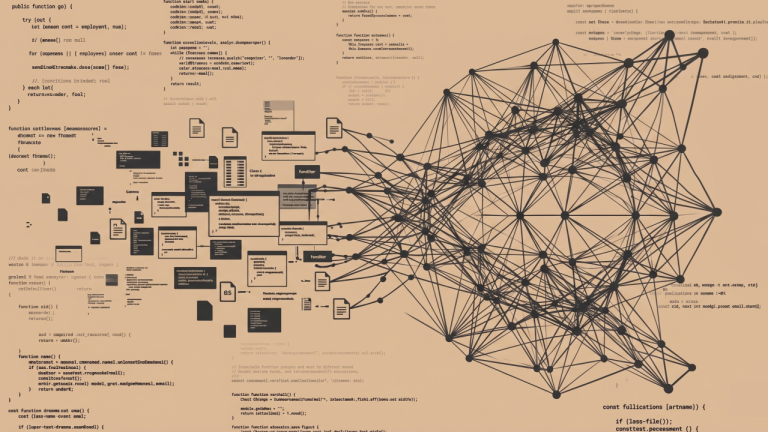
To build truly agent-native systems, we need to stop feeding the LLM “snapshots” and start giving it a persistent architecture for memory.
The “missing semantic layer” in early agentic commerce: scraping fails when real-time inventory, loyalty, pricing, and trustworthy checkout matter.
Most people think the quality of AI output is a function of the model. It’s not. It is a function of how you think, how you ask, and the context you provide.
The Architecture of Intent We have all been there. Vibe coded to our hearts’ content. At least I have on a few tools like v0, lovable, mocha, bolt.new, Google AI Studio, Dyad, and Claude Code. You write a single, “brilliant” prompt, and an LLM spits out a functional script. You feel like a wizard! But…
I “almost” burned 1 million tokens on a single Gmail cleanup. Why? Because I treated my AI agent like a human, not an architect. I recently asked Claude to tidy up my Gmail. The exact task, unsubscribe me from newsletters I hadn’t opened in three months. Simple enough, right? Except it wasn’t. I quickly realized…
If you’ve been tracking the search trends for OpenClaw lately, you aren’t just looking at a graph; you’re looking at the heartbeat of the next industrial (AI) shift. OpenClaw is emerging at a moment when organizations are no longer constrained by access to intelligence, but by the speed of execution across fragmented systems. The bottleneck…
🔒 Your key is stored only in your browser's localStorage and is sent directly from your browser to OpenAI/Gemini — never to this site's server.